


.png)
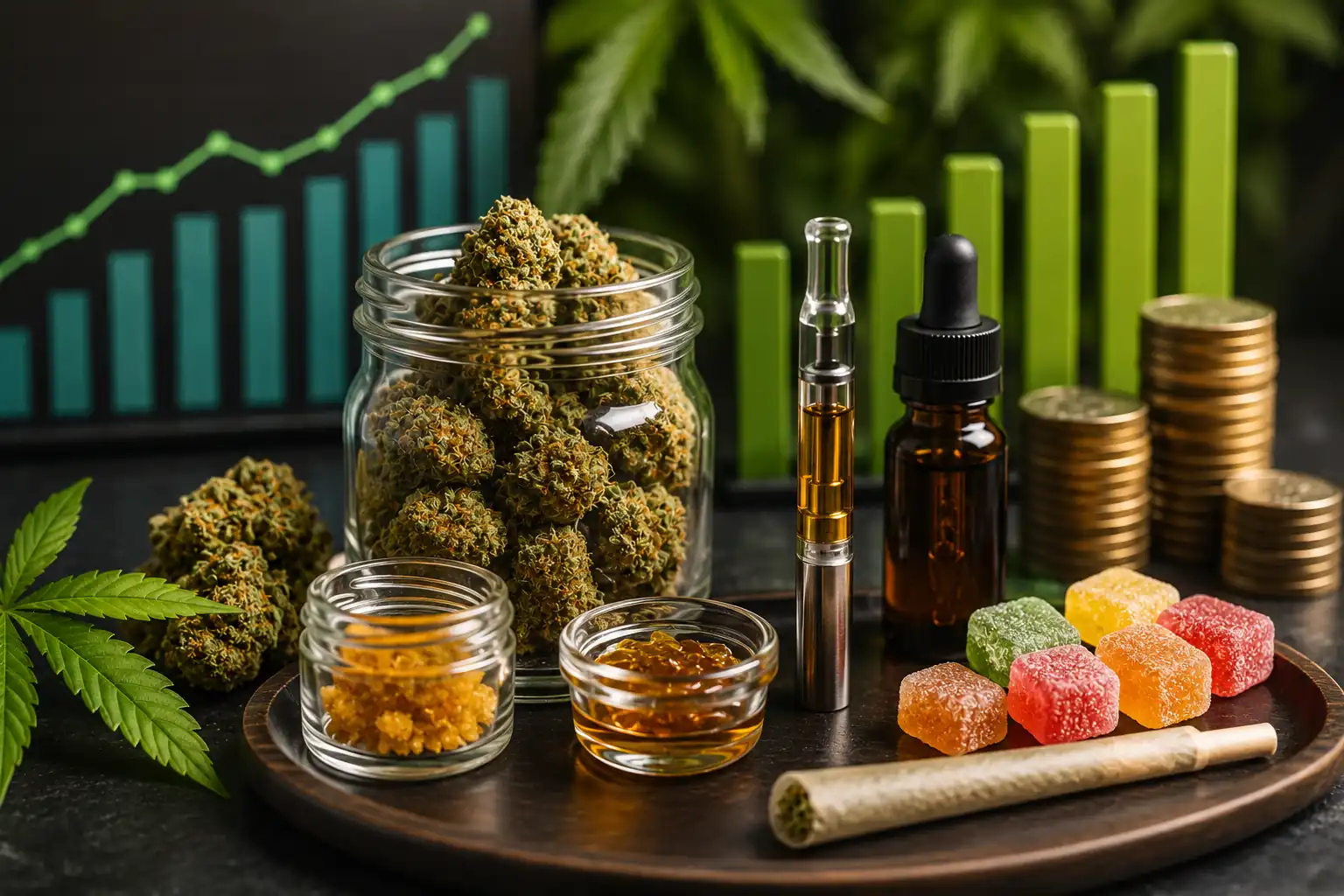
Cannabis potency statistics California consumers search for today reveal how much the legal cannabis market has evolved. Modern shoppers are no longer choosing products based only on brand names or packaging. THC percentages, price per gram, terpene content, and overall value now shape purchasing decisions across California dispensaries.
At the same time, California weed price statistics continue to shift due to market competition, taxes, cultivation supply, and changing consumer demand. Some products now offer extremely high THC levels at lower prices than consumers saw just a few years ago.
For cannabis consumers, understanding potency and pricing trends can help you shop smarter, compare products more effectively, and avoid overpaying for THC content alone.
Potency statistics help consumers compare products more accurately.
Two products may look similar at first glance, but the THC percentage can change:
Today, California cannabis flower potency often exceeds 20% THC in premium product categories. Some concentrates and vape products can exceed 70% to 90% THC, depending on the extraction type.
Because of this, cannabis potency statistics California shoppers use regularly have become an important part of dispensary purchasing behavior.
California weed price statistics show that cannabis prices have generally declined over the past several years due to increased market competition and oversupply.
Several factors influence pricing across California:
Premium products still command higher prices, but average retail pricing has become more competitive statewide.
This price compression continues to influence trends in California's cannabis markets, both urban and suburban.
Here is a simplified product comparison using average market ranges commonly seen in California dispensaries.
These California weed price statistics help consumers compare products beyond simple package pricing.
California cannabis flower potency has increased significantly compared to earlier cannabis markets.
Modern cultivation methods now allow growers to produce flowers with:
Premium indoor flower products regularly test above 25% THC.
At the same time, many consumers are learning that higher THC percentages do not always guarantee a better experience. Terpenes, freshness, and cannabinoid balance also matter.
Still, THC potency statistics California market reports continue showing strong consumer demand for high-potency flower categories.
Consumers often notice that products with stronger THC percentages usually carry higher prices.
Several reasons explain this pricing pattern.
Indoor cultivation with controlled environments often produces stronger flowers but requires:
These costs affect the cannabis pricing California consumers see in dispensaries.
Well-known premium brands may charge more because of:
Many consumers actively search for stronger products, especially in:
This demand shapes California cannabis market trends throughout the state.
Several California cannabis market trends continue to change retail pricing.
California’s large cultivation market occasionally produces more cannabis than retail demand can absorb.
This oversupply often lowers wholesale flower pricing, which can eventually reduce dispensary prices.
Many cities now have multiple dispensaries competing for customers.
Consumers benefit through:
These competitive conditions strongly affect California weed price statistics.
Modern cannabis shoppers increasingly compare:
Because of this, cannabis potency statistics that California consumers track have become part of everyday shopping decisions.
Concentrates and vape products typically contain the highest THC percentages in the legal market.
Products such as:
can reach THC levels above 70% or even 90%.
THC potency statistics California dispensaries report often place concentrates at the top of potency rankings.
Vapes combine:
This category continues growing rapidly across California cannabis sales statistics.
Not necessarily.
Many experienced consumers now focus on:
Some lower-THC flower products may still provide strong effects because of terpene interaction and overall product quality.
California cannabis market trends increasingly show consumers becoming more educated about cannabis beyond simple THC percentages.
Cannabis taxes significantly affect retail pricing statewide.
Consumers may pay:
Because of these taxes, the final checkout total can differ substantially from menu pricing.
This remains one reason why California weed price statistics vary between cities and counties.
California cannabis sales statistics suggest the market is becoming more mature and competitive.
Several long-term trends are emerging:
At the same time, California cannabis flower potency continues rising as cultivators compete on quality and lab testing performance.
Instead of looking only at the total package price, consumers can compare:
This approach helps consumers make smarter purchasing decisions based on actual product value.
Consider internally linking this article to:
Also read: Richmond Cannabis Statistics 2026
It refers to market data about THC levels, cannabinoid strength, and potency trends across California cannabis products.
The data shows cannabis pricing has become more competitive due to increased retail competition and cultivation supply.
Premium indoor flower products commonly test between 22% and 32% THC, although ranges vary by cultivar and cultivation method.
Flower, vapes, concentrates, and edibles all follow different pricing structures based on potency, production cost, and demand.
Consumers increasingly compare products by potency, value, terpene quality, and overall experience rather than price alone.
Cannabis potency statistics California consumers follow closely continue shaping how dispensaries price and market products statewide. THC percentages now play a major role in purchasing decisions, especially for premium flower, vape products, and concentrates.
At the same time, California weed price statistics reveal a highly competitive market where consumers often have more choices than ever before. Retail competition, oversupply, and changing consumer preferences continue influencing cannabis pricing California shoppers encounter daily.
California cannabis market trends also show that consumers are becoming more educated about product quality beyond simple THC numbers. Terpenes, cannabinoid balance, freshness, and intended effects are becoming increasingly important factors in the buying process.
As the market continues evolving, California cannabis sales statistics will likely keep reflecting a more informed and value-focused consumer base. Businesses like Green Remedy remain part of this broader shift in California’s legal cannabis industry.
.avif)
License: C10-0000377-LI | 2928
Hilltop Mall Road, Richmond,
CA 94806. (510) 758-7898